As part of The World’s 50 Best Hotels, Hôtel de Crillon was the subject of a 90-second editorial film, The Ingredients of Luxury, co-directed by Ilya Kagan (Ilyafoodstories) and Maxime Vaux. A single question on screen: “What is luxury made of?” And a single day to answer it, camera in hand, inside a palace hotel in full operation. Here is the making-of, from the writing of the concept to the hour-by-hour run sheet.
The concept fits in one sentence
Before writing a single shot, we wrote one sentence: the Managing Director defines luxury, the teams make it. Vincent Billiard asks the question and gives its formula: an alchemy of atmosphere, craftsmanship, service and people. The film then assembles that alchemy literally, gesture after gesture: the measuring of a room, the precise movement of service, the turn of a spoon. Every trade in the palace is filmed with the gravity of a great artisanal gesture. Same lenses, same care: the visual equality of the trades is already luxury in itself.
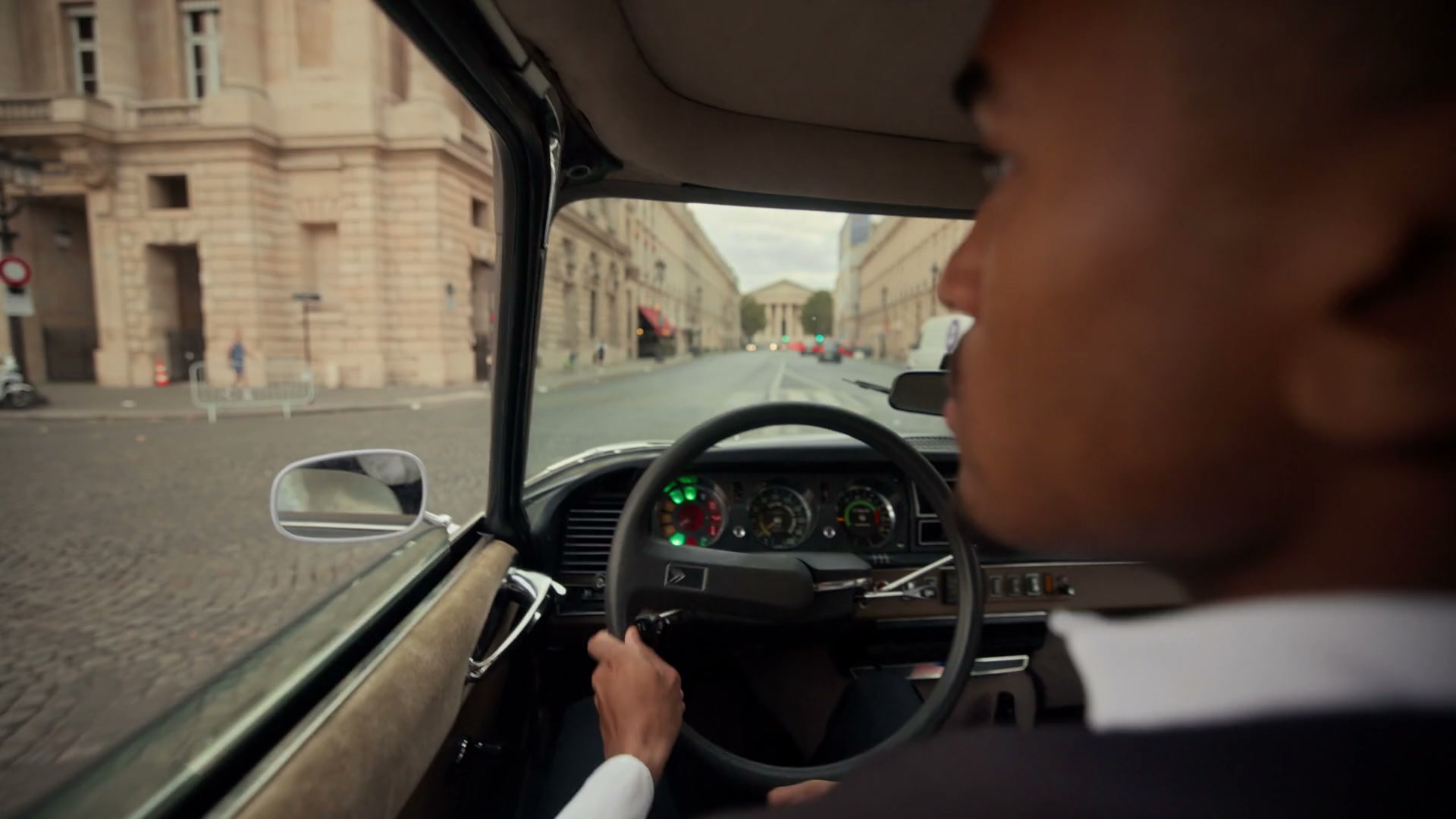
And the film closes on its own opening: the question returns, the car pulls up once again. Luxury as a ritual that begins anew every morning. A one-sentence concept, a looping structure: that is how we work, the same method we describe in our article on the storyboard.
A script written to the second
The 90 seconds were written second by second before the shoot: every line matched to an image, every cut planned to the word. When the director of rooms says “every gesture”, we cut to the tension of a bedsheet. When he says “proportion”, we cut to a measure levelled to the line. The edit existed on paper before the camera left the truck.
The same goes for the opening: a volley of close-ups carried by sound design. The tick of the lift, the chess clock, the needle on the vinyl, a clear crystalline bell, then the title. Ten seconds without a single sentence, establishing the place through texture and sound.
The art direction: gold, amber, and a monogram everywhere
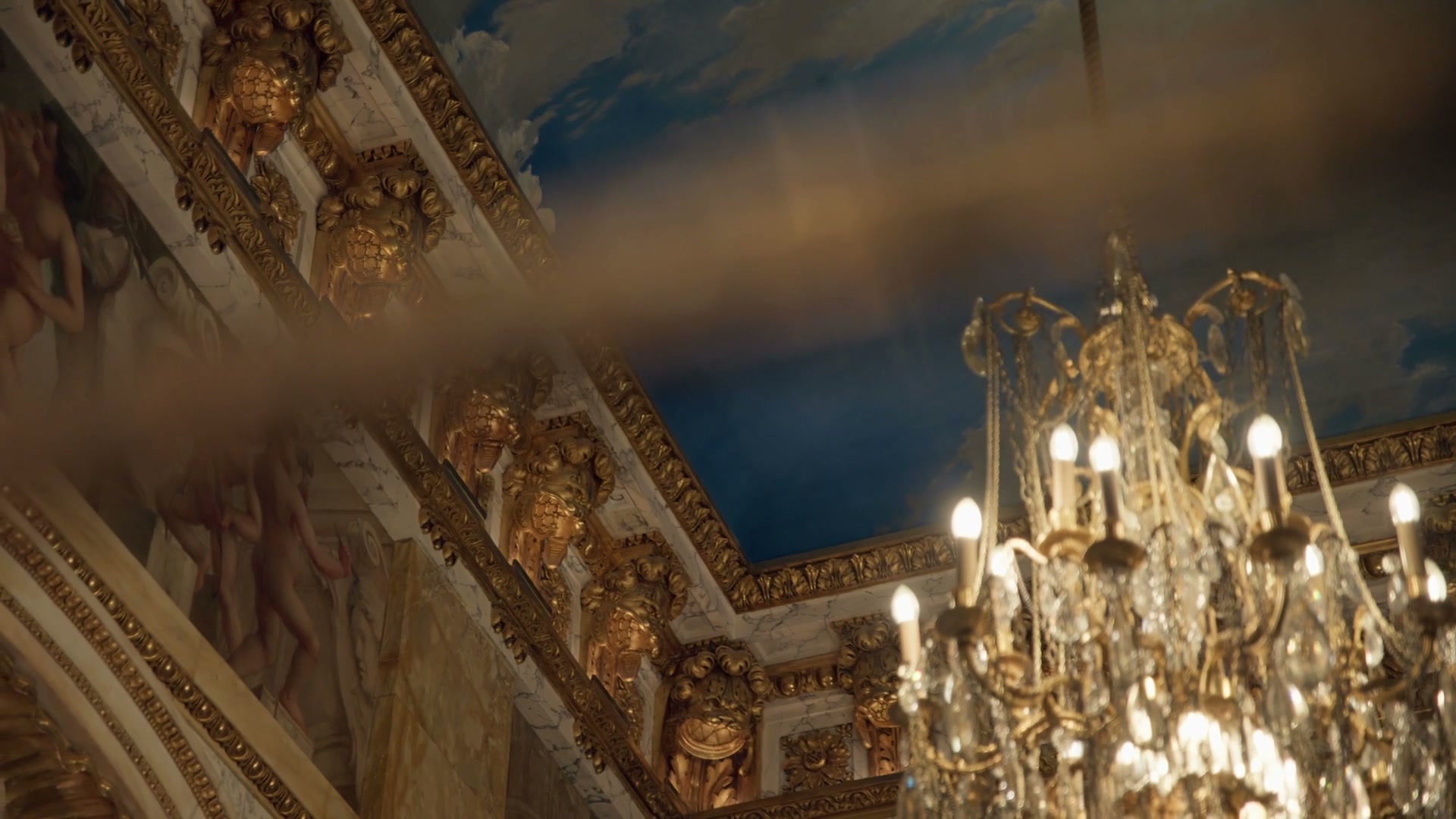
The film’s palette is written like everything else: golden dawn over the Concorde for the exteriors, amber tungsten at the bar, golden hour in the salons. Gold, amber, cream, dark woods. Nothing cold, anywhere.
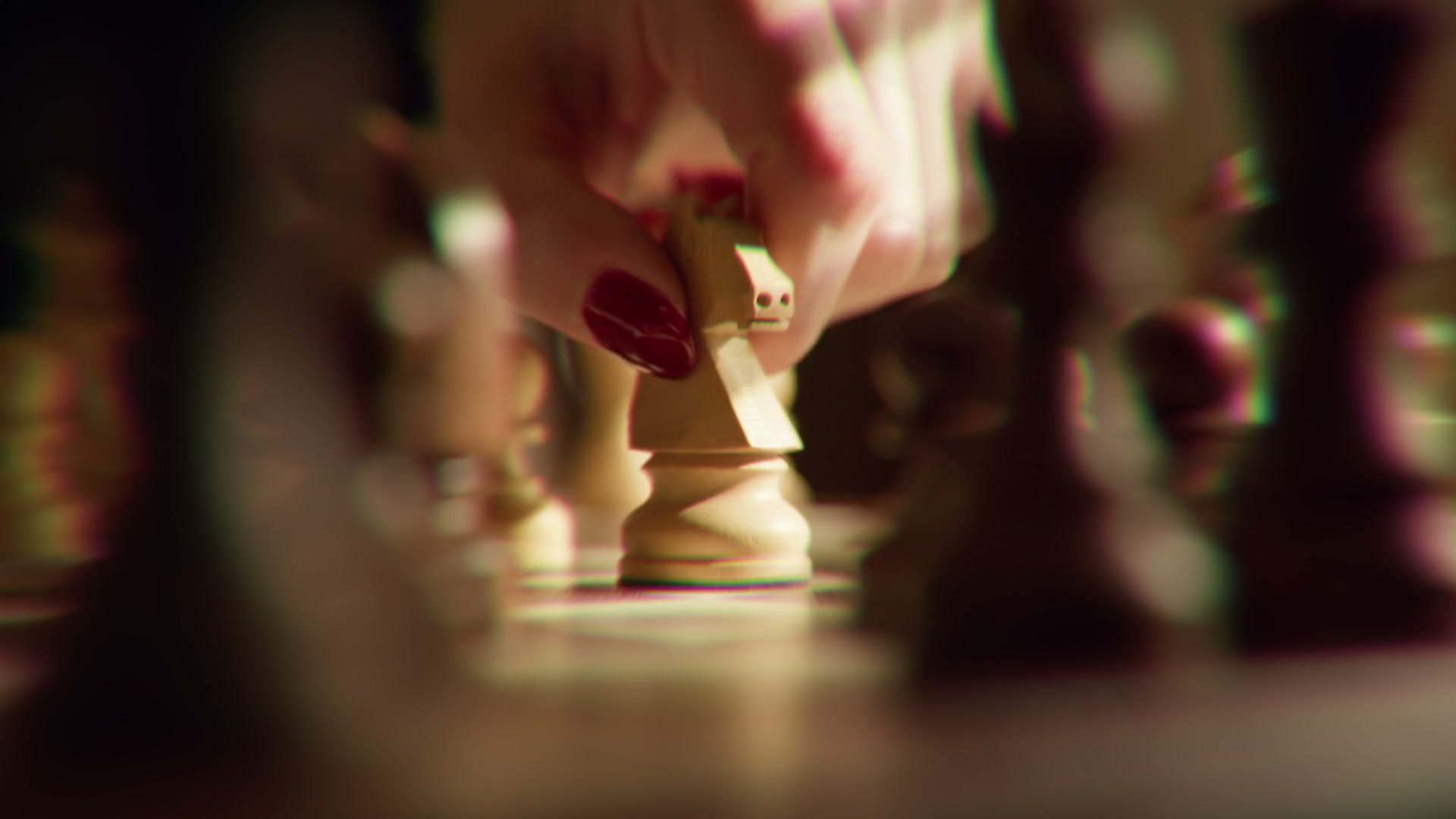
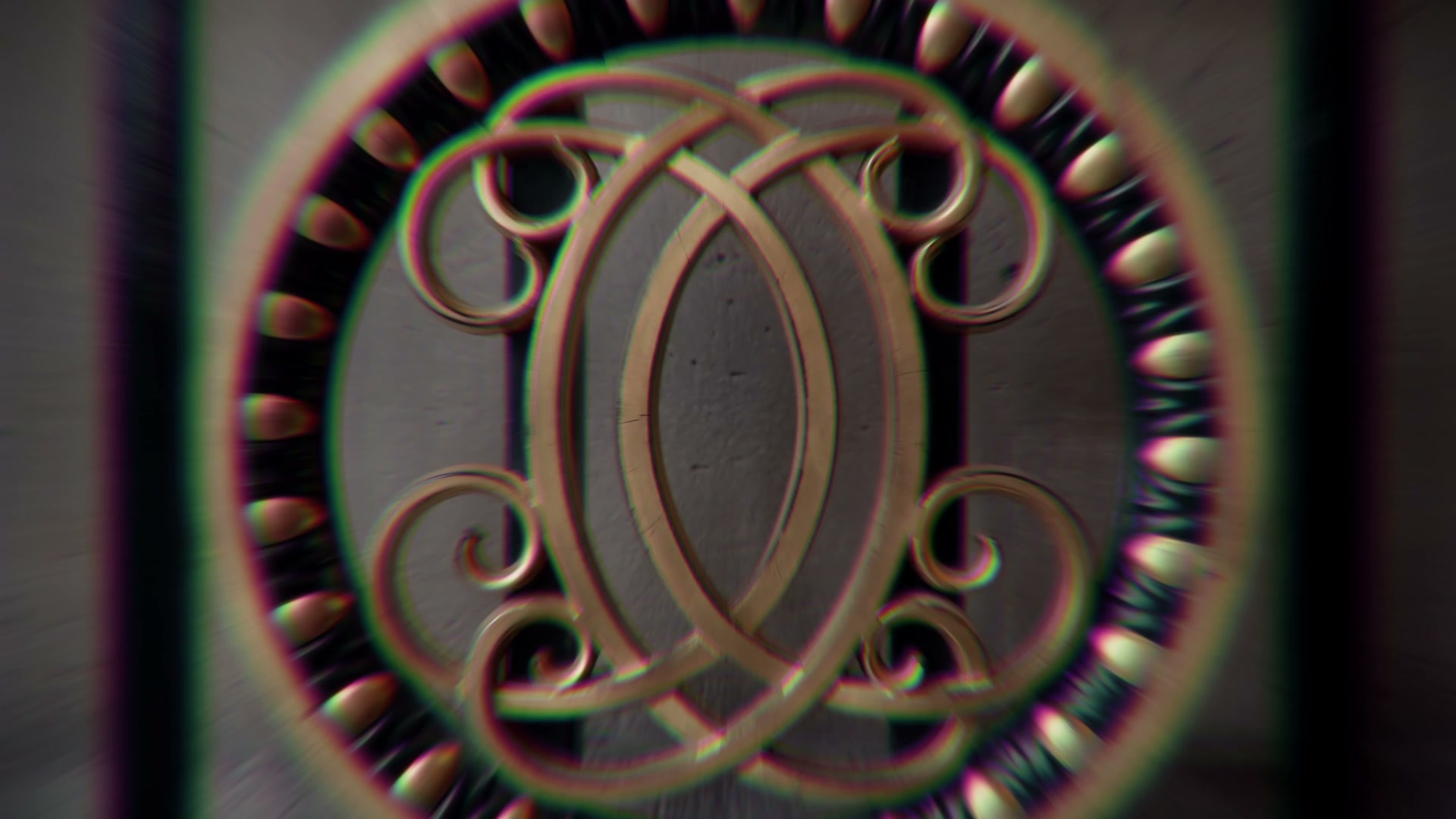
The visual signature is the volley of probe-lens close-ups, with its vignetting and its deliberate colour fringing. And one motif holds the whole film together: the crowned C of the Crillon, declined shot after shot. Engraved on the gate, drawn on the clock, pressed into a stamp, caught in the ice, printed on a golden balloon. When the Managing Director says “here, everyone leaves their mark”, the film shows it literally.
The interview in motion
Nobody sits down in this film. The Managing Director walks through the lobby speaking to camera. The director of rooms moves through the corridors and into a suite. The head butler glides from reception to the lift, anticipating every gesture: the coaster placed one second before the glass, the gate opened at exactly the right moment. Movement sets the rhythm, and the setting is part of the performance.
As a counterpoint, still portraits facing the camera, motionless, composed like photographs: every face of the palace in its own setting. And a restrained humour, played entirely straight: a shared monastic seriousness, never a gag.
We should say how lucky we were: a staff that was impeccable on camera. Filming teams who are not actors is usually the delicate part of a shoot. Here, everyone found the right tone within a few takes. The precision of professional gestures, repeated every day for years, gives an ease few actors can imitate: our work was limited to creating the conditions, a steady frame, a simple direction, and the rest was already there.
A single day of shooting
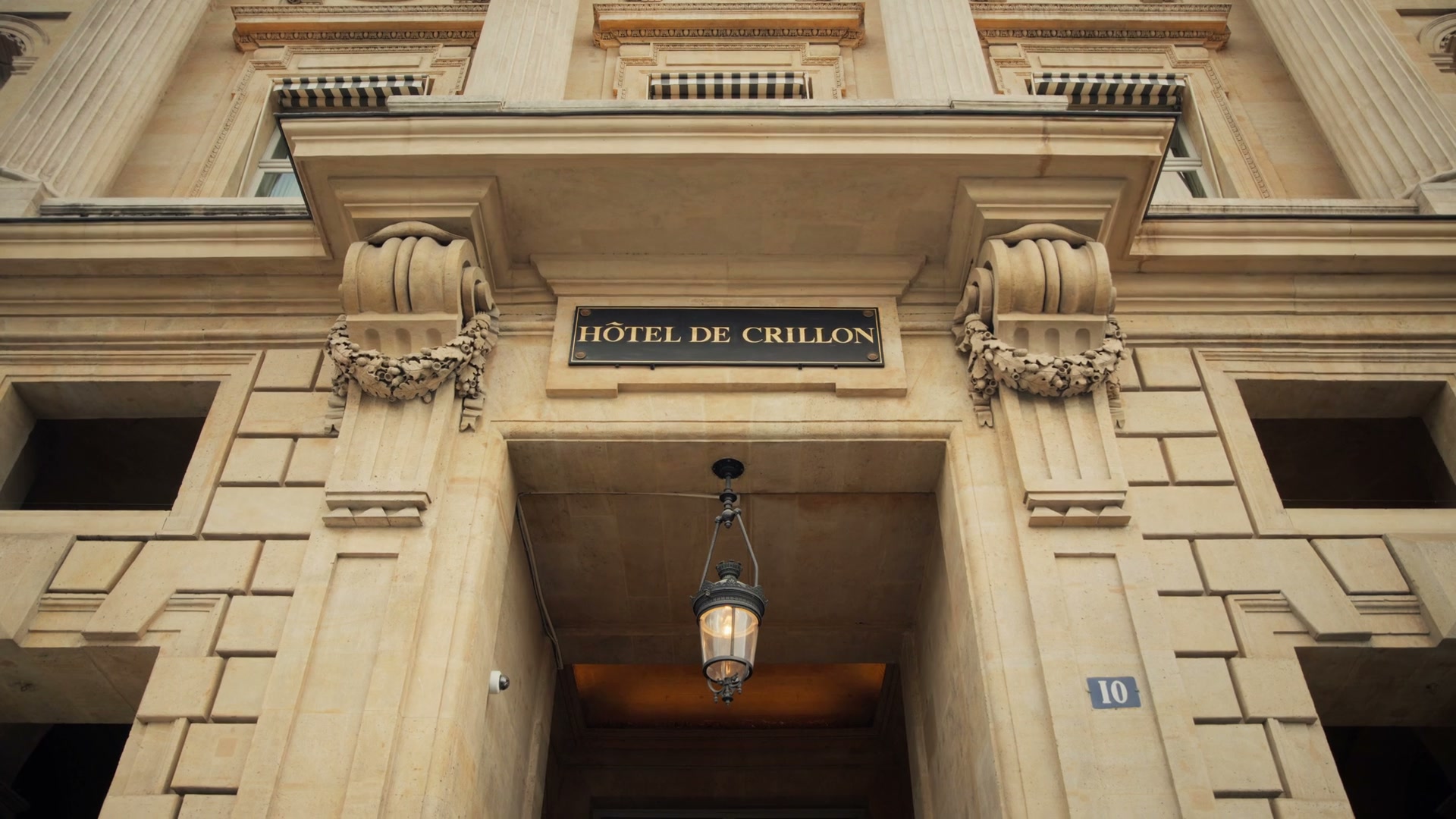
Everything was shot in one day, from 6am to 6pm, in a hotel in full operation. The secret is twofold. First, a run sheet drawn to the line: the dawn arrival in front of the facade, all the Managing Director’s lines shot in the morning to free him up, the rooms and corridors late morning, the courtyard at noon, the grand salon at 5pm for its light over the Concorde.
Second, a parallel unit: while the main crew moved from location to location, a second station worked in macro on the gestures for more than three hours. Two crews, one film, zero downtime. And one absolute rule in a palace hotel: guests must never be disturbed. The slots adapt to the life of the hotel, not the other way round.
What this film says about our method
A one-sentence concept. A script written to the second. A palette and a motif defined before the first shot. Logistics that make the ambition possible. It is the method we apply to all our hospitality and luxury house films, from the art de vivre film to the luxury brand film.
The film, co-directed by Ilya Kagan and Maxime Vaux, can be watched in full on the project page: The Ingredients of Luxury, Hôtel de Crillon.
Frequently asked questions
How long does it take to shoot a film in a luxury hotel?
A single day of shooting can be enough, provided everything is written beforehand: a script timed to the second, a shot list per location and per slot, an hour-by-hour run sheet. The preparation itself takes several weeks. That is what holds the day together.
Does the hotel need to close during the shoot?
No. We shoot in a hotel in full operation, fitting our slots to the life of the house: exteriors at dawn, common areas at off-peak hours, salons when they free up. The absolute rule: no guest is ever disturbed.
Why a 90-second format?
It is the format of the editorial film: long enough to develop an idea, short enough to be watched in full. The film is then declined into 16:9 and 9:16 versions for the different distribution channels.
Who appears on screen?
The palace’s real teams, not actors: the Managing Director, the director of rooms, the head butler, and the faces of the house in portraits. That is the very subject of the film: luxury is made by the people who craft it every morning.
A palace, a maison, an exceptional place to film? Let’s talk: reply within 24 hours, with a first framing and a method that respects your house and your guests.